
Josh T. Landow
CD of The Week
Geese - Getting Killed (Partisan)
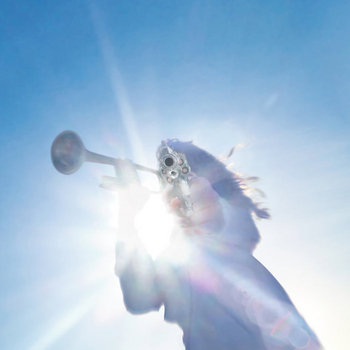 A few weeks ago, the New York Times shared a fascinating and informative article of how to tell the difference between Connecticut jam band Goose and the NYC indie rock quartet Geese. An easy way (unmentioned somehow) is that we only play the latter on Y-Not Radio, where the band’s offbeat musicality can sit alongside the rest of the playlist. However, the article also details a few common fans between the waterfowl buzz bands. Phish’s Trey Anastacio and Vampire Weekend’s Ezra Koening have performed with and/or publicly praised both artists, which speaks volumes about how unique Geese are in the indie rock landscape. Their influences are incredibly eclectic, taking in everything from Radiohead and Talking Heads to Led Zeppelin and Frank Zappa. This musical stew combines with excellent musicianship, Cameron Winter’s expressive voice, and a desire to channel the anxieties of the current moment to create one of the most thrilling albums in years.
Opener, “Trinidad,” is the least-accessible and most intense song on the album, with the repeated shouts of “there’s a bomb in my car” and screeching brass instrumentation that appear at odd intervals. It’s a little bit of a red herring, since the remaining ten songs place a stronger emphasis on melody, but the track is also a sign that Geese have no fear of throwing curveballs at listeners. The title track is a great example, which coasts on an energetic, polyrhythmic groove (plus a choir) before slowing down in the final minute as Winter expresses the existential worry of “getting killed by a pretty good life,” creating a surprising amount of emotional resonance for a song this eager to demonstrate its musical complexity.
Winter’s vocal style can be idiosyncratic and off-putting to some, but he is capable of being very sensitive as both a writer and singer on tracks like the twinkly “Au Pays Du Cocaine” and the rushing, hooky “Taxes.” However, the most exciting moments are where the reckless abandon of both the vocals and the instrumentation are on display. “Bow Down” features propulsive drumming from Max Bassin and aggressive guitar interjections from Emily Green that meld powerfully with the semi-spoken, surreal imagery of Winter’s lyrics. Closing epic, “Long Island City Here I Come” is the real showstopper. Winter exudes a menacing confidence with one-liners like “Nobody knows where they’re going except me” underlined by a tense, charging rhythm that slowly builds in volume before climaxing into a cathartic crescendo that somehow finds a middle ground between the grandeur of U2 and the experimentation of The Fall. The song is a truly transcendent conclusion to the album.
Geese’s early work showed promise, but their fourth album, Getting Killed is a major leap forward (keep in mind that all the band members are still under 25) that immediately marks them as one of the most dynamic and important bands in indie music. Their ambition and impressive musicianship astound, while their ecstatic and groovy arrangements are given excellent care by co-producer Kenneth Blume (who is mostly known in the hip-hop world). Only a silly goose would be able to consider Getting Killed as anything other than an instant classic.
Review by Sol
Follow Y-Not Radio on MixCloud
See other reviews:
|
|
|
|
|
|

|
|
|

|
|
|
|
|
|
|
|
|

|

|
|

|
|

|
|

|

|
|
|
|

|

|

|

|

|

|
|
|
|

|
|

|

|

|
|

|
|

|
|

|

|

|

|
|
|

|

|

|

|

|

|

|

|

|

|